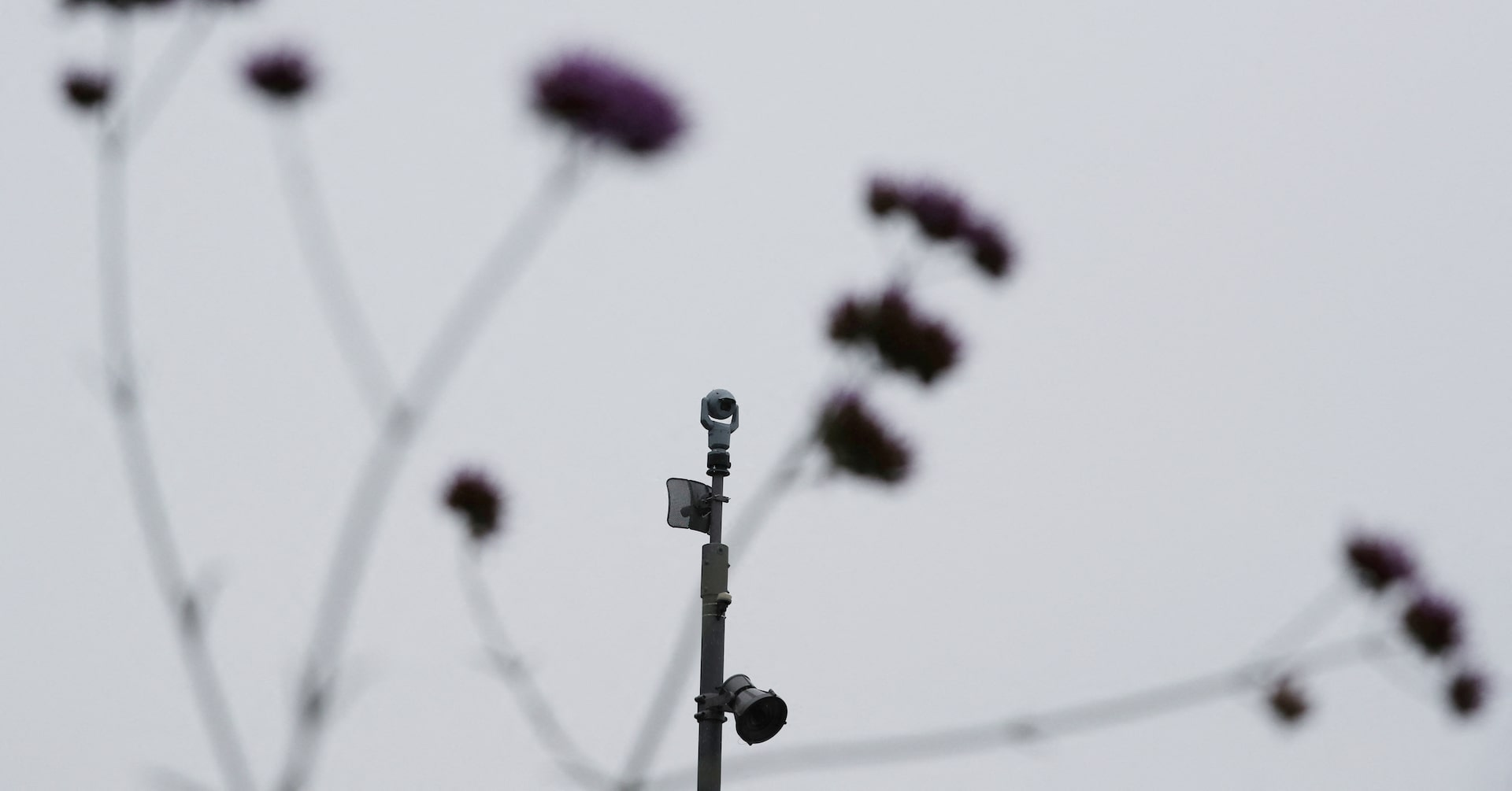


A surveillance camera is seen in the Kings Cross area in London, Britain, August 14, 2019. REUTERS/Hannah McKay/File Photo Purchase Licensing Rights , opens new tab
LONDON, Dec 4 (Reuters) – Use of facial recognition technology will be expanded across Britain’s police forces to help track down criminals, the government said on Thursday, as it proposed a new body to oversee its use.
The technology is already used by London’s Metropolitan Police, which has made 1,300 arrests using facial recognition in the last two years, including rapists, domestic abusers and violent criminals, and found more than 100 sex offenders who had breached their licence conditions.
Civil liberties group Big Brother Watch, however, called the planned expansion of facial recognition a grave threat to privacy.
“Laws in Europe protect the public against facial recognition mass surveillance, but Britain is an outlier in the democratic world with the public now watched by these cameras and treated like suspects on an almost daily basis,” the group said.
The Metropolitan Police uses live facial recognition at major events such as soccer matches and the Notting Hill Carnival to identify people on its watch lists.
The technology also helps police in criminal investigations search footage from mobile phones, video doorbells and CCTV against its database of images of people taken on arrest.
Crime and Policing Minister Sarah Jones said facial recognition was the biggest breakthrough in catching criminals since DNA matching.
“It has already helped take thousands of dangerous criminals off our streets and has huge potential to strengthen how the police keep us safe,” she said. “We will expand its use so that forces can put more criminals behind bars and tackle crime in their communities.”
Big Brother Watch said surveillance was already out of control, with over 7 million people in England and Wales scanned by facial recognition cameras in the last year, according to police records.
“Live facial recognition could be the end of privacy as we know it,” said Big Brother Watch director Silkie Carlo, adding that with the possibility of the government introducing mandatory ID cards with facial biometrics, “we are hurtling towards an authoritarian surveillance state that would make Orwell roll in his grave”.
The government said it would launch a 10-week consultation to examine the benefits of the technology and any safeguards needed to ensure public confidence, including privacy protections.
It proposed creating a single body to oversee and regulate police use of facial recognition and similar technologies.
Our Standards: The Thomson Reuters Trust Principles. , opens new tab
Suggested Topics:
Read Next
The Trump administration on Wednesday announced increased vetting of applicants for H-1B visas for highly skilled workers, with an internal State Department memo saying that anyone involved in “censorship” of free speech be considered for rejection.
Site Index
About Reuters
Stay Informed
Information you can trust
Reuters, the news and media division of Thomson Reuters, is the world’s largest multimedia news provider, reaching billions of people worldwide every day. Reuters provides business, financial, national and international news to professionals via desktop terminals, the world’s media organizations, industry events and directly to consumers.
Discover more from The Who Dat Daily
Subscribe to get the latest posts sent to your email.



OUTLAW CHEMICAL FREE SOAPS AND NATURAL BODY PRODUCTS!


Tulane College Sports
Tulane vs. South Alabama Preview: Green Wave Seek Week 2 Rebound

New Orleans Saints News
Saints Free $10.3M! Ruiz & Godchaux Restructures Explained | PODCAST

Sports News & More
Why Jared Goff Is Underrated and Dangerous

Sports News & More
Here’s the Saints vs Lions Week 1: Keys to Victory & Score Predictions!

New Orleans Saints News
Saints Add 12 Players to Practice Squad as New Orleans Continues Roster Moves

New Orleans Saints News
Saints Trade for Zamir White as RB Injuries Mount

New Orleans Pelicans News
Pelicans Sign Bennedict Mathurin to 2-Year, $16M Deal

New Orleans Saints News
Saints Looking for WR Help: Four Receivers Work Out Before Lions Opener